

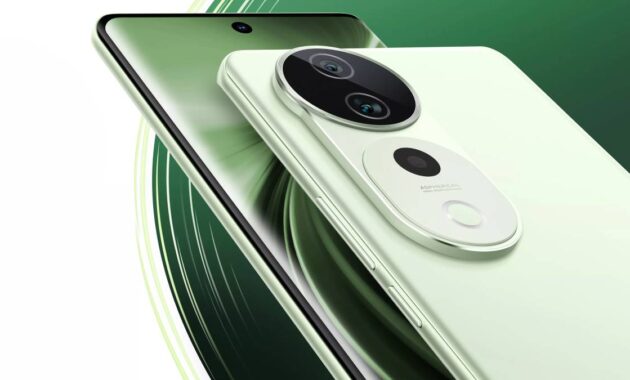
The Vivo T3 Ultra burst onto the smartphone scene in late 2024, quickly establishing itself as a compelling option for users seeking flagship-level performance without breaking the bank. Launched primarily in India but gaining global interest through online retailers and imports, this device combines a sleek design, powerful internals, and impressive camera capabilities. Priced starting at around $380 (or ₹31,999 in India), it’s targeted at gamers, photographers, and everyday users who demand smooth multitasking and long battery life.
In this comprehensive review, we’ll dive into its specs, features, real-world performance, and more, helping worldwide users decide if it’s the right pick in 2026.
Design and Build Quality
The Vivo T3 Ultra sports a premium glass front and back, measuring 164.2 x 74.9 x 7.6 mm and weighing just 192g. Its slim profile makes it comfortable for one-handed use, while the IP68 rating ensures dust and water resistance up to 1.5 meters for 30 minutes – a rarity in mid-range phones. Available in Lunar Gray and Frost Green, the Frost Green variant offers a vibrant, eye-catching finish that stands out.

Users praise its lightweight build, though some note minor heating during extended camera sessions. Overall, it’s a blend of style and durability, perfect for urban lifestyles worldwide.
Display: Vibrant and Immersive
At the heart of the T3 Ultra is a 6.78-inch AMOLED display with 1.5K resolution (1260 x 2800 pixels) and a 120Hz refresh rate. Supporting HDR10+ and peaking at 4500 nits brightness, it’s ideal for outdoor visibility and media consumption. The 90.2% screen-to-body ratio provides an edge-to-edge experience, protected by Schott Xensation Alpha glass.
In tests, colors pop vividly, and scrolling feels buttery smooth. However, some users report pixelation in dark areas on social media apps. For global users in sunny climates like Australia or the US, this display excels in Netflix binges or gaming.

Performance and Gaming
Powered by the MediaTek Dimensity 9200+ chipset (4nm process), an octa-core CPU clocking up to 3.35GHz, and Immortalis-G715 MC11 GPU, the T3 Ultra handles demanding tasks effortlessly. Variants include 8GB/128GB, 8GB/256GB, or 12GB/256GB RAM/storage, with no microSD expansion. Running Android 14 with Funtouch OS 14, it scores high in benchmarks, rivaling flagships. Gamers will love it – titles like Genshin Impact run at 60fps on high settings without lag. Multitasking is seamless, but heavy users might notice occasional throttling during prolonged sessions. For worldwide audiences, its 5G support (bands including SA/NSA) ensures fast connectivity in regions like Europe and Asia.
Camera System: Photography on a Budget
The dual rear camera setup features a 50MP main sensor (f/1.9, OIS) and an 8MP ultrawide (120° FOV). It captures sharp, detailed photos with natural colors, especially in daylight. Low-light performance is boosted by the ring-LED flash and HDR. Video hits 4K at 60fps with gyro-EIS for stable footage. The 50MP front camera with autofocus excels in selfies and 4K video calls. Reviews highlight its portrait mode, though fogging can occur after extended use. For content creators globally, it’s a solid choice without needing pro gear.
Battery and Charging
A 5500mAh battery powers the device, lasting a full day of heavy use. 80W fast charging gets you to 100% in about 56 minutes, with reverse wired charging for accessories. Stereo speakers deliver immersive audio, but there’s no 3.5mm jack or NFC in some regions.

Software and Updates
Funtouch OS 14 on Android 14 offers a clean interface with customization options. Vivo promises two years of OS updates and three years of security patches, keeping it relevant through 2026.
Vivo T3 Ultra Specifications Table
| Category | Details |
|---|---|
| Display | 6.78″ AMOLED, 1260×2800, 120Hz, HDR10+, 4500 nits peak |
| Processor | MediaTek Dimensity 9200+ (4nm), Octa-core up to 3.35GHz |
| RAM/Storage | 8GB/128GB, 8GB/256GB, 12GB/256GB |
| Rear Camera | 50MP main (OIS) + 8MP ultrawide; 4K@60fps |
| Front Camera | 50MP autofocus; 4K@60fps |
| Battery | 5500mAh, 80W fast charging |
| OS | Android 14, Funtouch 14 |
| Connectivity | 5G, Wi-Fi 6, Bluetooth 5.3, USB-C 2.0 |
| Build | IP68, 192g, Glass front/back |
| Price | Starting ~$380 (₹31,999) |
Pros and Cons Table
| Pros | Cons |
|---|---|
| Powerful Dimensity 9200+ chip | No microSD slot |
| Excellent battery life | Limited global availability |
| Bright, smooth display | No NFC in all regions |
| Strong camera performance | Occasional heating |
| Affordable price | No wireless charging |
In summary, the Vivo T3 Ultra is a near-perfect mid-ranger for 2026, offering value for money with its blend of performance and features. Whether you’re in India, Europe, or elsewhere, it’s worth considering if you prioritize speed and photography over bells like NFC. (Word count: 812)
FAQs
1. What is the price of the Vivo T3 Ultra?
The base model (8GB/128GB) starts at ₹31,999 in India, equivalent to about $380 or 350 EUR globally, depending on import fees.
2. Is the Vivo T3 Ultra available worldwide?
It’s primarily launched in India, but available via online platforms like AliExpress for international users. Check for import duties.
3. How good is the camera on the Vivo T3 Ultra?
The 50MP main and front cameras deliver excellent daylight shots and 4K video, with OIS for stability. It’s great for casual photography but may fog during long sessions.
4. Does the Vivo T3 Ultra support 5G?
Yes, it supports global 5G bands, making it suitable for high-speed networks worldwide.
5. What is the Vivo T3 Ultra battery life like?
The 5500mAh battery lasts a full day, with 80W charging fully juicing it in under an hour.
6. Is the Vivo T3 Ultra good for gaming?
Absolutely – the Dimensity 9200+ and 120Hz display handle games like PUBG and Genshin Impact smoothly at high settings.
7. What colors are available for the Vivo T3 Ultra?
It comes in Lunar Gray and Frost Green.
8. Does Vivo T3 Ultra have expandable storage?
No, it lacks a microSD slot; choose higher storage variants accordingly.
The Review
Review Breakdown
- Design
- Display
- Camera Quality
- Performance
- Battery
- Build Quality
- Software Updates
- Value of Money