




In the fast-paced world of wearable tech, the Google Fitbit Sense 2 Smartwatch stands out as a powerhouse for health enthusiasts and fitness trackers alike. Launched as Fitbit’s most advanced health-focused smartwatch, it combines cutting-edge sensors with seamless integration into the Google ecosystem. Whether you’re monitoring stress levels during a busy workday or tracking workouts on a global adventure, this device caters to worldwide users with its versatile features. Priced at around $199.95 (down from $249.95), it’s an accessible option for those seeking premium health insights without breaking the bank. In this 800-word guide, we’ll explore its specs, performance, comparisons, and more to help you decide if it’s right for you.
Design and Build: Sleek, Comfortable, and Durable
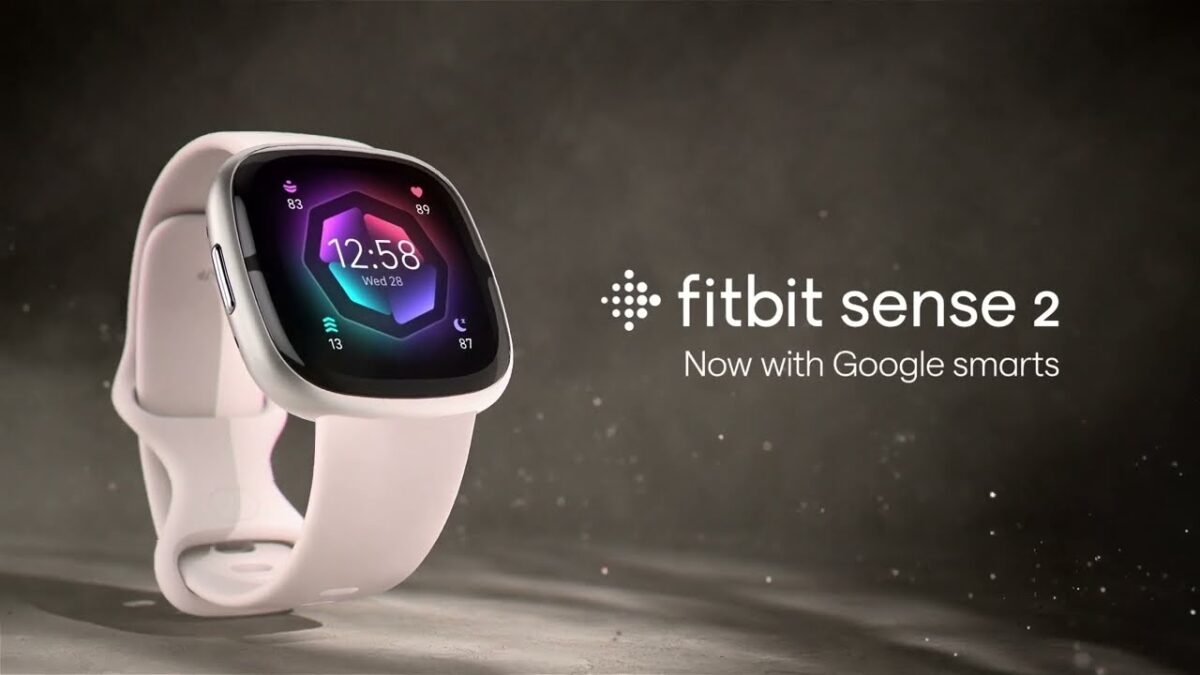
The Fitbit Sense 2 boasts a slim, lightweight aluminum design measuring 40.5 x 40.5 x 11.2mm and weighing just 37.64 grams. It’s 10% thinner and 15% lighter than its predecessor, making it ideal for all-day wear. The 1.58-inch AMOLED display with 336 x 336 resolution is vibrant and always-on, ensuring easy readability in sunlight or low light. Water-resistant up to 50 meters, it’s perfect for swimming or rainy runs. Available in colors like Shadow Grey/Graphite and Platinum, it includes small and large bands for a customizable fit. Users praise its comfort, with one long-term reviewer noting it lasts comfortably for weeks without irritation.
Advanced Health and Fitness Tracking
At its core, the Sense 2 is a health monitoring beast. It features continuous electrodermal activity (cEDA) for all-day stress tracking, an ECG app for detecting atrial fibrillation, SpO2 for blood oxygen levels, and 24/7 heart rate monitoring. Skin temperature sensors provide insights into potential illnesses or menstrual cycles. Sleep tracking is top-tier, offering detailed Sleep Scores, profiles, and stages for better rest optimization.
For fitness, it supports over 40 exercise modes, built-in GPS for accurate mapping, Daily Readiness Score to gauge workout readiness, and Active Zone Minutes to track intensity. Real-time notifications, Bluetooth calls, and compatibility with Android/iOS keep you connected. Integration with Google Wallet and Maps adds smart functionality, though Wi-Fi is disabled to save battery.
Here’s a quick specs overview:
| Feature | Details |
|---|---|
| Display | 1.58-inch AMOLED, 336 x 336 resolution |
| Battery Life | 6+ days, fast charging (12 min for 1 day) |
| Sensors | GPS, HRM, SpO2, cEDA, ECG, skin temperature, accelerometer |
| Water Resistance | 50m |
| Connectivity | Bluetooth, NFC (Google Wallet), notifications |
| Storage | 4GB |
| Price | $199.95–$249.95 |
Battery Life and Performance
One of the Sense 2’s strongest suits is its impressive battery life—up to six days on a single charge, far outpacing competitors like the Apple Watch. Fast charging delivers a full day’s power in just 12 minutes, and two hours for a complete refill. In real-world tests, it handles continuous tracking without frequent plugs, though heavy GPS use can drain it faster. Performance is smooth, with a revamped interface influenced by Google’s Wear OS for intuitive navigation. However, it lacks third-party apps and music controls from the original Sense, which some users miss.
Google Fitbit Sense 2 Smartwatch: Pros and Cons
| Pros | Cons |
|---|---|
| Excellent stress and sleep tracking | No third-party apps or music storage |
| Long battery life | Wi-Fi disabled |
| Accurate GPS and heart rate | Premium features require Fitbit Premium subscription ($9.99/month) |
| Comfortable, lightweight design | Slightly higher price than basic trackers |
| ECG and SpO2 for advanced health insights | Interface can stutter occasionally |
Google Fitbit Sense 2 Smartwatch Comparison with Competitors in 2026
In a market dominated by Apple, Garmin, and Google, the Sense 2 holds its own for health-focused users. Compared to the Apple Watch SE 3, it offers better battery life and stress tools but fewer smart features. Versus the Fitbit Versa 4, the Sense 2 adds ECG, cEDA, and skin temperature sensors for $50 more. Against the Google Pixel Watch 4, it’s more affordable with superior battery but less app integration.
| Model | Battery Life | Key Features | Price |
|---|---|---|---|
| Fitbit Sense 2 | 6+ days | cEDA, ECG, SpO2, GPS | $249 |
| Apple Watch SE 3 | 18 hours | Advanced apps, Siri | $249 |
| Fitbit Versa 4 | 6+ days | GPS, 40+ modes (no ECG) | $199 |
| Google Pixel Watch 4 | 24 hours | Full Wear OS, AI features | $349 |
FAQs Google Fitbit Sense 2 Smartwatch
Q: Is the Google Fitbit Sense 2 Smartwatch worth buying in 2026?
A: Absolutely, especially if health tracking is your priority. Its sensors remain cutting-edge, and Google integration keeps it fresh.
Q: Does Google Fitbit Sense 2 Smartwatch require a subscription?
A: Basic features are free, but Fitbit Premium unlocks deeper insights like Daily Readiness and advanced sleep analysis.
Q: Is Google Fitbit Sense 2 Smartwatch compatible with iPhones?
A: Yes, it works seamlessly with both Android and iOS devices.
Q: How accurate is the Google Fitbit Sense 2 Smartwatch stress tracking?
A: The cEDA sensor provides reliable all-day monitoring, helping users manage stress through mindfulness prompts.
Q: Can Google Fitbit Sense 2 Smartwatch track swimming?
A: Yes, with 50m water resistance and dedicated swim modes.
Conclusion: A Smart Investment for Holistic Wellness
The Google Fitbit Sense 2 Smartwatch excels in delivering actionable health data in a user-friendly package. Its blend of fitness tracking, stress management, and long battery life makes it ideal for worldwide users—from urban commuters in New York to hikers in the Himalayas. While it may not match full smartwatches in app variety, its focus on wellness sets it apart. If you’re ready to elevate your health game, the Sense 2 is a solid pick for 2026.
-
Health & Fitness Tracking Accuracy7
-
Battery Life8
-
Display Quality7
-
Build Quality7
-
Performance & Software7
-
Additional Features7
-
Design8
-
Value for Money7