


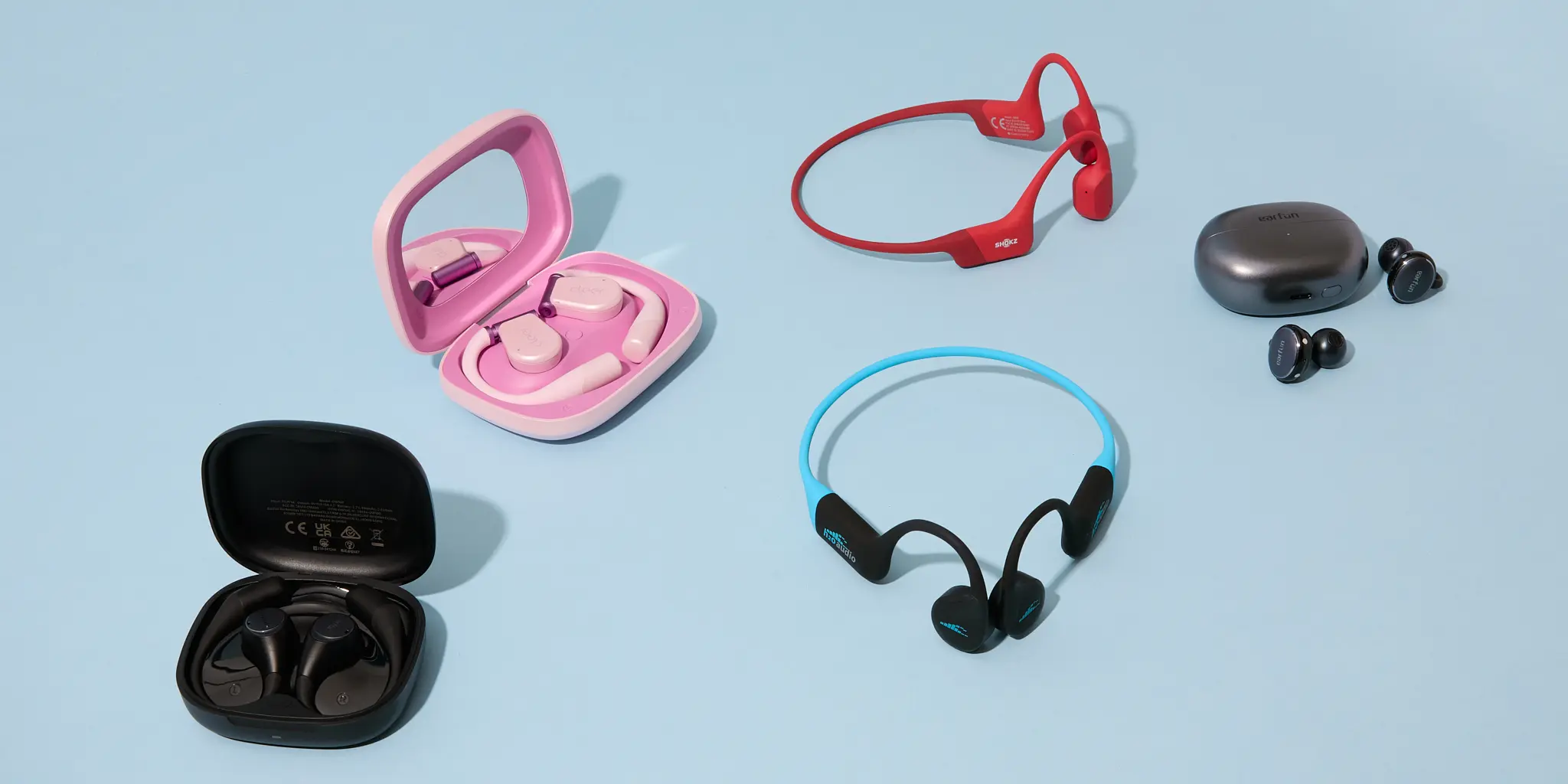
Open-ear earbuds (also called open-fit or open-ear headphones) exploded in popularity by 2026, offering the perfect blend of audio enjoyment and situational awareness. Unlike traditional in-ear buds that seal your ear canal, open-ear designs rest outside or direct sound toward your ears without blocking ambient noise. This makes them ideal for runners, cyclists, office workers, parents, or anyone who needs to hear traffic, conversations, kids, or colleagues while listening to music, podcasts, or calls.
In 2026, advancements in drivers, bass enhancement, and secure fits have closed the gap on sound quality—many now rival sealed buds in clarity and punch. Top models feature IP55+ water resistance, long battery life, and app-based EQ. Prices range from budget-friendly ~$50 options to premium ~$300 flagships.
Whether you’re jogging in busy streets, working from home, or commuting, open-ear earbuds keep you safe and immersed without isolation.
Why Choose Open-Ear Earbuds in 2026?
- Safety & Awareness: Hear cars, bikes, or people approaching—no transparency mode needed.
- All-Day Comfort: No ear fatigue from insertion; great for glasses wearers.
- Versatile Use: Excellent for workouts, calls, podcasts, or multitasking.
- Improved Sound: 2026 models deliver surprising bass via directed drivers or bone conduction hybrids.
Drawbacks include less bass isolation and louder leakage at high volumes, but that’s the trade-off for openness.
Top Open-Ear Earbuds Comparison Table (2026)
| Model | Type | Key Features | Battery Life | Price Range | Best For |
|---|---|---|---|---|---|
| Shokz OpenRun Pro 2 | Bone Conduction | Deep bass, IP55, secure wrap-around | 12 hrs | $150–$180 | Running & outdoor sports |
| Bose Ultra Open Earbuds | Clip-on | Premium sound, spatial audio, stylish | 7.5 hrs | $250–$300 | Everyday & premium audio |
| Nothing Ear (Open) | On-ear rest | Strong bass for open design, app EQ | 8 hrs | $130–$150 | Balanced daily use |
| Soundcore AeroFit 2 | Ear-hook | Affordable, customizable, IPX7 | 10–42 hrs | $80–$130 | Budget workouts |
| Shokz OpenFit Pro | Open-ear hook | Noise reduction mics, superior calls | 10 hrs | $200–$250 | Calls & gym |
| Baseus Inspire XC1 | Clip-on | Bose-tuned, Dolby, IP66, 40 hrs | 10 hrs | $100–$150 | Value with great sound |
Shokz OpenRun Pro 2: Best for Runners & Awareness
The Shokz OpenRun Pro 2 remains a 2026 favorite for active users. Bone conduction vibrates cheekbones to deliver sound, leaving ears fully open. Upgraded dual drivers bring deeper bass and less vibration than predecessors. IP55 sweat resistance, 12-hour battery, and reflective strips suit outdoor runs. Secure wrap-around fit stays put during intense movement—no falling out.
Pros: Exceptional safety, long battery, improved audio.
Cons: Bass not as rich as air-conduction models; slight vibration at max volume.
Perfect for marathon training or cycling in traffic.
Bose Ultra Open Earbuds: Best Sound Quality
Bose’s clip-on cuff design looks like jewelry while delivering rich, private audio via OpenAudio tech. Spatial audio and Immersive mode create a wide soundstage. Comfortable for hours, with strong mics for calls. IPX4 rating handles light sweat.
Pros: Best-in-class sound, stylish, premium build.
Cons: Shorter battery, higher price.
Ideal for those prioritizing audio fidelity in daily life.
Nothing Ear (Open): Best Overall Balance
Nothing’s Ear (Open) positions drivers closer to the canal for impressive bass in an open design. Lightweight, with customizable EQ and multipoint pairing. Great for mixed use—work, walks, casual listening.
Pros: Surprisingly full sound, modern design, value.
Cons: Fit varies by ear shape.
Budget & Value Picks
- Soundcore AeroFit 2 — Adjustable hooks, powerful bass, long playtime; excellent entry-level.
- Baseus Inspire XC1 — Bose sound collaboration, adaptive tuning, massive battery.
Pros & Cons Table: Open-Ear vs Traditional In-Ear
| Aspect | Open-Ear Earbuds | Traditional In-Ear |
|---|---|---|
| Awareness | Full ambient sound | Limited (unless transparency mode) |
| Comfort (long wear) | Excellent, no insertion | Can cause fatigue |
| Bass & Isolation | Good but less deep | Superior bass & noise block |
| Safety (outdoors) | Superior | Good with ANC off |
| Battery Life | Often longer | Varies |
| Price Range | $50–$300 | $30–$400 |
FAQs
1. Are open-ear earbuds good for running?
Yes—models like Shokz OpenRun Pro 2 excel with secure fits and full awareness of traffic or trails.
2. Do open-ear earbuds have good sound quality in 2026?
Absolutely—advances like directed drivers and bass boosts deliver clear, punchy audio rivaling some sealed buds.
3. What’s the difference between bone conduction and air-conduction open-ear?
Bone conduction (Shokz) vibrates bones to bypass eardrums; air-conduction (Bose, Nothing) directs sound via speakers—often richer bass but similar openness.
4. Can open-ear earbuds block noise?
No—they prioritize awareness. For isolation, choose in-ear with ANC.
5. Best open-ear for calls?
Shokz OpenFit Pro or Bose Ultra Open—strong mics and wind reduction.
6. Are they worth it over regular earbuds?
If safety, comfort, or multitasking matters—yes. For max bass/isolation, stick to in-ear.
7. Global availability?
Widely available on Amazon, Best Buy, official sites—check regional pricing and carriers.
Open-ear earbuds in 2026 offer freedom without compromise. For active lifestyles, go Shokz; for premium sound, Bose or Nothing. Stay aware, stay connected—pick your perfect pair today!
- Sound Quality8
- Build Quality8
- Performance8
- Battery8
- Design8
- Comfort and Fit8
- Connectivity8
- Value for Money9
