


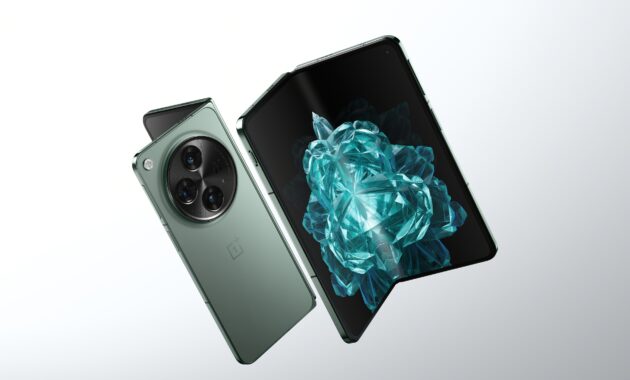
The OnePlus Open, launched as OnePlus’s ambitious entry into the foldable smartphone market, continues to captivate users worldwide in 2026. With its sleek design, powerful performance, and innovative features, this device challenges giants like Samsung and Google in the foldable arena. Whether you’re a tech enthusiast in the US, Europe, Asia, or beyond, the OnePlus Open offers a premium experience at a competitive price. In this comprehensive review, we’ll dive into its specs, real-world performance, pros and cons, and answer common questions to help you decide if it’s the right foldable for you. Priced starting at around $1,699 (or equivalent in global markets like ₹1,39,999 in India or £1,599 in the UK), it’s a blend of affordability and cutting-edge tech.
Design and Build: A Foldable Masterpiece
The OnePlus Open boasts a premium build with a lightweight titanium frame and Gorilla Glass Victus 2 protection. Unfolded, it reveals a massive 7.82-inch AMOLED inner display with a 120Hz refresh rate and 2K resolution, perfect for multitasking, gaming, or streaming. The outer 6.31-inch cover screen feels like a regular flagship phone, making it versatile for one-handed use. At just 239g, it’s lighter than competitors, reducing fatigue during extended sessions. Available in Voyager Black and Emerald Dusk colors, it appeals to global tastes with IPX4 water resistance for everyday durability.
One standout feature is the Open Canvas multitasking system, allowing up to three apps to run side-by-side seamlessly. This is ideal for professionals juggling emails, docs, and video calls. In 2026, with OxygenOS updates based on Android 16, the software feels smoother than ever, incorporating AI enhancements like real-time translation for international users.
Performance and Hardware: Powerhouse Under the Hood
Powered by the Snapdragon 8 Gen 2 chipset (with rumors of software tweaks optimizing it for 2026 standards), the OnePlus Open handles demanding tasks effortlessly. Paired with up to 16GB RAM and 512GB storage, it’s a beast for gaming (think Genshin Impact at high settings) and productivity. Benchmarks show it outperforming the Galaxy Z Fold 5 in multi-core tests, thanks to efficient cooling.
Battery life is impressive with a 4,805mAh cell supporting 67W wired charging – full charge in under 40 minutes. No wireless charging is a minor drawback, but it’s sufficient for all-day use, even with the large screens.
Here’s a quick specs overview:
| Feature | Specification |
|---|---|
| Inner Display | 7.82-inch AMOLED, 120Hz, 2440×2268 |
| Outer Display | 6.31-inch AMOLED, 120Hz, 2484×1116 |
| Processor | Snapdragon 8 Gen 2 |
| RAM/Storage | 16GB/512GB (expandable via cloud) |
| Battery | 4,805mAh, 67W charging |
| Cameras | 48MP main + 64MP telephoto + 48MP ultra-wide; 20MP/32MP selfies |
| OS | OxygenOS 14 (upgradable to 16) |
| Price (Global Avg) | $1,699 / €1,599 / ₹1,39,999 |
Camera System: Versatile and Pro-Grade
The Hasselblad-tuned triple camera setup shines in various lighting conditions. The 48MP Sony IMX890 main sensor captures vibrant, detailed photos, while the 64MP periscope telephoto offers 3x optical zoom – great for concerts or travel shots. The 48MP ultra-wide lens handles landscapes beautifully. Selfies from the 20MP inner and 32MP outer cameras are sharp, with AI portrait modes enhancing skin tones for diverse users worldwide.
In low light, noise reduction is top-notch, rivaling iPhones. Video recording hits 4K at 60fps with stabilization, making it suitable for content creators. Compared to 2023 reviews, 2026 software updates have improved computational photography, boosting dynamic range.
Pros and Cons: Balanced for Global Users
To help you weigh your options, here’s a pros and cons table based on user feedback and expert tests:
| Pros | Cons |
|---|---|
| Lightweight and durable design | No wireless charging |
| Excellent multitasking features | Crease on inner screen visible |
| Long battery life with fast charge | Higher price in some markets |
| Superior camera performance | Limited availability in certain regions |
| Regular software updates | No microSD slot |
How Does It Compare to Competitors?
In the foldable market, the OnePlus Open stands out for value. Here’s a comparison with key rivals:
| Device | Price (USD) | Inner Screen Size | Battery | Camera Zoom |
|---|---|---|---|---|
| OnePlus Open | $1,699 | 7.82-inch | 4,805mAh | 3x optical |
| Samsung Galaxy Z Fold 6 | $1,899 | 7.6-inch | 4,400mAh | 3x optical |
| Google Pixel Fold | $1,799 | 7.6-inch | 4,821mAh | 5x optical |
| Vivo X Fold 3 | $1,500 | 8.03-inch | 5,700mAh | 3x optical |
The OnePlus edges out in build quality and software fluidity, though Samsung offers better S Pen integration.
Real-World Use in 2026
For worldwide users, the OnePlus Open excels in global 5G support, including sub-6 and mmWave bands. In regions like India and Europe, where foldables are gaining traction, its affordability drives adoption. Battery optimizations handle varying climates, from humid tropics to cold winters. With eSIM and dual-SIM options, it’s travel-friendly.
FAQs About OnePlus Open
Q: Is the OnePlus Open worth buying in 2026?
A: Absolutely, especially if you want a premium foldable without breaking the bank. With ongoing updates, it feels fresh.
Q: How durable is the OnePlus Open foldable screen?
A: It’s rated for 1 million folds, with ultra-thin glass for protection. Real users report minimal issues after years.
Q: Does OnePlus Open support stylus input?
A: No native stylus, but third-party options work on the inner screen.
Q: What’s the OnePlus Open warranty like globally?
A: OnePlus offers 2 years in most markets, with easy service centers in the US, EU, and Asia.
Q: Can I get OnePlus Open unlocked for international use?
A: Yes, unlocked versions are available via official sites or carriers.
- Display9
- Battery9
- Camera Quality9
- Performance9
- Design9
- Build Quality9
- Software & Updates8
- Value for Money7
