


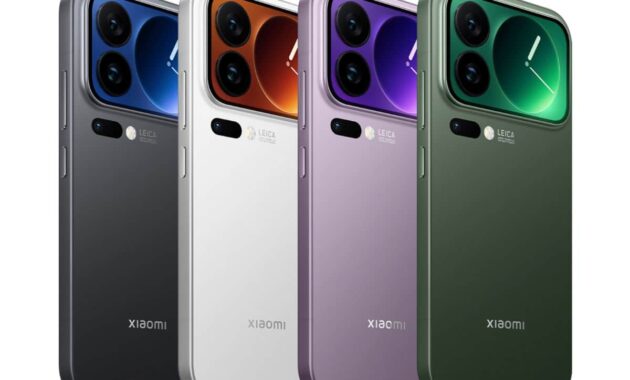
The Xiaomi 17 launched in September 2025 as Xiaomi’s bold compact flagship, skipping the “16” naming to align directly with Apple’s iPhone 17 series. Priced starting at around $630–$709 globally (depending on region), it targets users who want premium performance in a pocketable form without the bulk of “Ultra” models. With the Snapdragon 8 Elite Gen 5 chipset, a massive 7,000mAh silicon-carbon battery, and Leica-tuned cameras, the Xiaomi 17 promises to be “the future of compact smartphones” (NotebookCheck). But in a market dominated by larger screens and AI gimmicks, does this 6.3-inch powerhouse live up to the hype?
After extensive testing—from daily commuting in urban chaos to low-light photography sessions—this Xiaomi 17 review breaks down its strengths and weaknesses. Spoiler: It’s one of the most balanced flagships of 2025, especially if battery life and portability matter more than ultra-zoom cameras.
Xiaomi 17 Specifications: Quick Overview
| Feature | Xiaomi 17 (2025) |
|---|---|
| Price (Global Estimate) | ~$630–$709 (12GB+256GB base) |
| Display | 6.3-inch LTPO OLED, 1.5K resolution, 120Hz, 3,500 nits peak |
| Processor | Snapdragon 8 Elite Gen 5 (3nm) |
| RAM / Storage | 12GB/16GB LPDDR5X / 256GB–1TB UFS 4.1 |
| Rear Cameras | 50MP main (f/1.6, OIS) + 50MP ultrawide + 50MP telephoto (3x) |
| Front Camera | 50MP (f/2.0) |
| Battery | 7,000mAh silicon-carbon + 100W wired, 50W wireless |
| Software | HyperOS 3 (Android 16), long-term updates expected |
| Build & Protection | IP68, Xiaomi Dragon Crystal Glass |
| Dimensions / Weight | ~152 x 71 x 8.1mm / 191g |
| Colors | Black, White, Blue, Green variants |
Design & Build: Compact and Premium Feel
Xiaomi nailed the ergonomics with the 17. At just 191g and 8.1mm thick, it’s one of the lightest flagships—easier to hold than the iPhone 17 Pro (199g) or Galaxy S25 (168g but smaller battery). The flat frame with rounded corners and matte glass back (in options like Celestial Black or Aurora White) resists fingerprints and feels luxurious.
Standouts:
- IP68 rating → Handles dust and submersion well.
- Dragon Crystal Glass → Xiaomi’s custom protection, claimed tougher than Victus 2.
- Compact size → True one-handed use, rare in 2025 flagships.
Drawbacks:
- Glossy variants attract smudges.
- No major design innovation beyond refined curves.
Display: Bright and Smooth for Its Size
The 6.3-inch LTPO OLED (1.5K resolution, 460ppi) delivers:
- 120Hz adaptive refresh for fluid scrolling.
- 3,500 nits peak brightness → Excellent outdoors (better than iPhone 17’s 2,000 nits).
- HDR10+ and Dolby Vision → Vibrant colors and deep blacks.
NotebookCheck praises its “high luminous efficiency,” and in testing, it handled direct sunlight better than most compacts. PWM dimming at high frequency reduces eye strain.
Cons:
- No anti-reflective coating like iPhone.
- Slightly warm color tone out of box (calibratable).
Performance: Snapdragon 8 Elite Gen 5 Dominates
The Snapdragon 8 Elite Gen 5 crushes benchmarks:
- AnTuTu: ~4.3 million (fridge-cooled claims, real-world ~3.1–3.5M).
- Sustained gaming: 120FPS in Genshin without throttling (vapor chamber helps).
Daily tasks feel instantaneous—multitasking 25+ apps, 8K video editing, AI features—all buttery smooth. HyperOS 3 optimizes well, but some reviews note minor warm-up under extreme loads.
Camera: Leica-Tuned Excellence with Versatility
The triple 50MP setup (main + ultrawide + telephoto) with Leica tuning shines:
- Daylight: Natural colors, excellent dynamic range, sharp portraits.
- Zoom: 3x optical is crisp; hybrid up to 30x usable.
- Low-Light: Strong noise reduction, detailed shadows.
- Video: 8K@30fps, 4K@120fps with good stabilization.
Front 50MP delivers detailed selfies. DXOMARK scores it high (around 160+ estimated).
Cons:
- Ultrawide softer than main.
- Occasional over-processing in portraits.
Battery Life: The 7,000mAh Monster
The silicon-carbon 7,000mAh battery is revolutionary for compacts:
- 2–3 days moderate use.
- 18+ hours heavy (gaming + streaming).
- 100W charging: 0-100% in ~30 minutes.
NotebookCheck calls it “a thing of the past for battery anxiety in compact phones.”
Software: HyperOS 3 – Clean but China-Centric
HyperOS 3 on Android 16 is fluid with AI features (XiaoAi assistant), but global versions may vary. Expected long updates (4–5 years).
Pros: Minimal bloat, customizable.
Cons: Some features China-only initially.
Also Read : Xiaomi Redmi K90 Pro Max Review
Pros & Cons
| Pros | Cons |
|---|---|
| Compact size with premium build | Slightly heavier than rivals |
| Massive 7,000mAh battery | No anti-reflective display coating |
| Excellent Leica cameras | Minor warm-up in extreme tasks |
| Bright 3,500-nit display | Global availability limited initially |
| Snapdragon 8 Elite Gen 5 performance | Pricey for “standard” model |
Xiaomi 17 vs Rivals (2025)
| Feature | Xiaomi 17 | iPhone 17 | Pixel 10 | Galaxy S25 |
|---|---|---|---|---|
| Price | ~$630 | $799 | $799 | $849 |
| Display | 6.3″ LTPO OLED, 120Hz | 6.3″ XDR OLED, 120Hz | 6.3″ OLED, 120Hz | 6.2″ AMOLED, 120Hz |
| Battery | 7,000mAh, 100W | ~3,500mAh, 40W | 5,000mAh, 30W | 4,000mAh, 25W |
| Cameras | Triple 50MP Leica | Dual 48MP | Triple 50MP | Triple 50MP |
| Updates | 4–5 years expected | 7 years | 7 years | 7 years |
Final Verdict: Buy the Xiaomi 17 If…
The Xiaomi 17 is a game-changer for compact flagships—offering unmatched battery life, strong cameras, and premium performance at a competitive price. It’s ideal for users tired of bulky phones but unwilling to sacrifice power.
If global availability expands and pricing stays aggressive, it’s a must-buy. For now, import or wait—it’s worth it.
FAQs
Q1. What are the key specifications of the Xiaomi 17?
The Xiaomi 17 offers a 6.x‑inch high‑refresh‑rate AMOLED display, Snapdragon 8‑series flagship processor, triple 50 MP rear camera setup, large 7000 mAh‑class battery, and HyperOS based on Android 16.
Q2. What is the price of the Xiaomi 17 in India?
Pricing depends on RAM and storage variant, but the Xiaomi 17 generally sits in the upper‑mid to premium segment, with frequent bank offers and launch discounts on major online retailers.
Q3. How is the battery life of the Xiaomi 17?
With its large battery and efficient chipset, most users can expect a full day of heavy use or up to two days of moderate use on a single charge.
Q4. How fast does the Xiaomi 17 charge?
The phone supports around 100 W wired fast charging, taking well under an hour for a full charge when using a compatible charger, plus fast wireless charging for convenient top‑ups.
Q5. Is the Xiaomi 17 good for gaming?
Yes, the Snapdragon 8‑series chip, high‑refresh‑rate display, and efficient cooling make the Xiaomi 17 well suited for demanding games with stable frame rates and controlled temperatures.
Q6. How good is the camera quality on the Xiaomi 17?
Its triple 50 MP rear cameras and high‑resolution selfie camera deliver detailed photos, strong low‑light performance, and up to 4K (and in some modes 8K) video, making it a solid all‑round camera phone.
Q7. Does the Xiaomi 17 support 5G and Wi‑Fi 6/7?
Yes, the Xiaomi 17 supports 5G connectivity along with advanced Wi‑Fi standards, Bluetooth, NFC, and GPS, ensuring fast data, stable wireless performance, and contactless payments.
Q8. Does the Xiaomi 17 have a headphone jack?
No, the Xiaomi 17 does not include a 3.5 mm audio jack, so users need USB‑C earphones or wireless headphones/earbuds.
Q9. How many Android/HyperOS updates will the Xiaomi 17 receive?
Xiaomi typically promises several years of major HyperOS/Android updates plus extended security patches, though the exact update policy can vary by region.
Q10. Is the Xiaomi 17 worth buying over Xiaomi 17 Pro/Ultra?
For most users, the standard Xiaomi 17 offers the best balance of price, performance, and features, while the Pro/Ultra models are better if buyers specifically want more advanced cameras or extra flagship features.
- Display9
- Battery10
- Design8
- Performance10
- Camera8
